
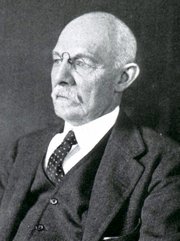



In 1543 Andreas Vesalius was staying at the city of Basel, in Switzerland. The reason for his visit was to oversee the preparation and printing of the first edition of his opus magnum, a book titled ”De Humani Corporis Fabrica, Libri Septem” (Seven Books on the Structure of the Human Body). This book , colloquially known as the “Fabrica”, would change the history of anatomy and become the beginning of scientific, fact-based description of the human body.
The other individual in this story was Jakob Karrer Von Getweiler, a notorious bigamous criminal who lived in Basel. Jakob attacked and stabbed his wife when she confronted him because she found that he had a second wife. Although seriously injured, she survived, but Jakob Karrer was sentenced to death by beheading, a current sentence at the time. The sentence was carried on May 12th, 1543.
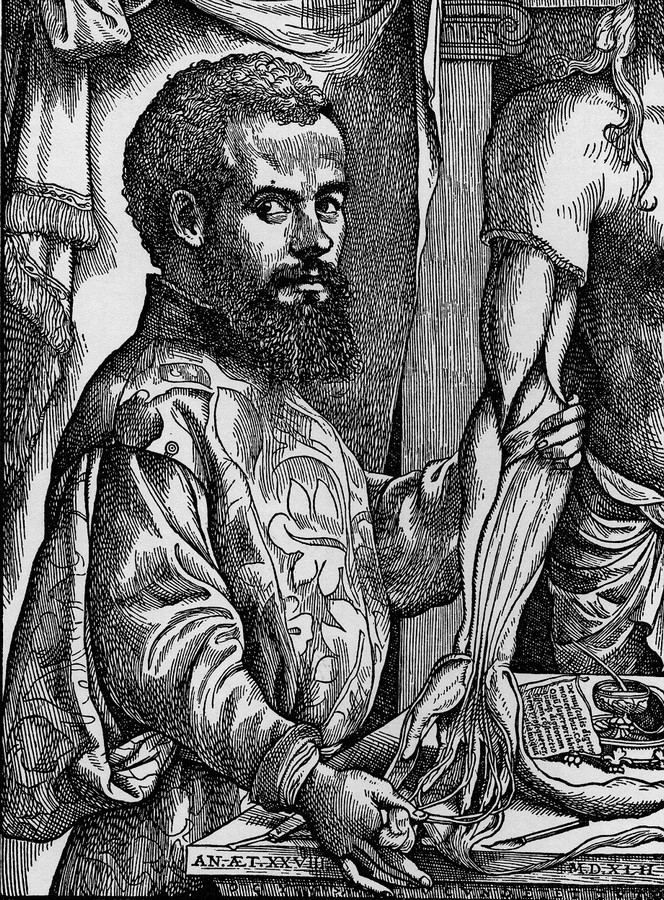 Andreas Vesalius
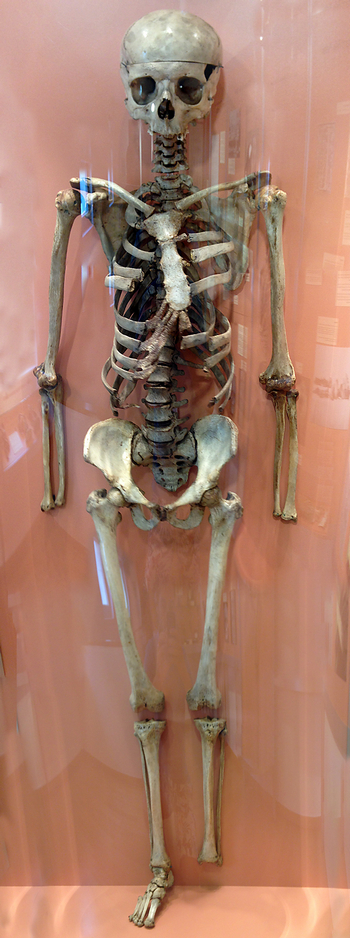
Jakob Karrer Von Getweiler
Because of the laws regarding human dissection (also called anatomizing), only the bodies of executed criminals were permitted to be used as teaching specimens. The dissection was public and anyone, alongside medical students, was permitted to attend. In fact, it was considered public entertainment. Most probably the town council, having a famous anatomist such as Vesalius in town, offered him the opportunity for this public dissection. The title page of the 1555 Fabrica shows this "circus" of a public anatomy with Andreas Vesalius at the center.
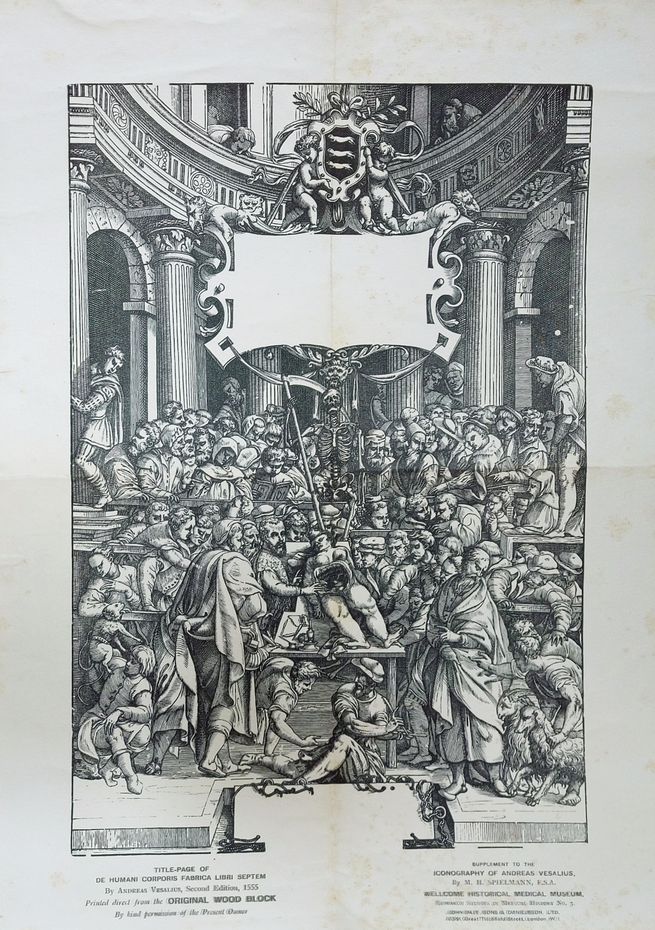
1555 Fabrica Title Page
After the dissection, Vesalius proceeded to clean, boil, and dry the bones and, following the instructions in his own book (Book one, Chapter 39), mounted the bones as an anatomical exhibition. Little did Vesalius know that 483 years later, that skeleton would still be in existence and carry the fame of being the oldest anatomical specimen in the world.
Here is the video for the first part of this article.
Additional information found in the Fabrica.
Click for a larger image
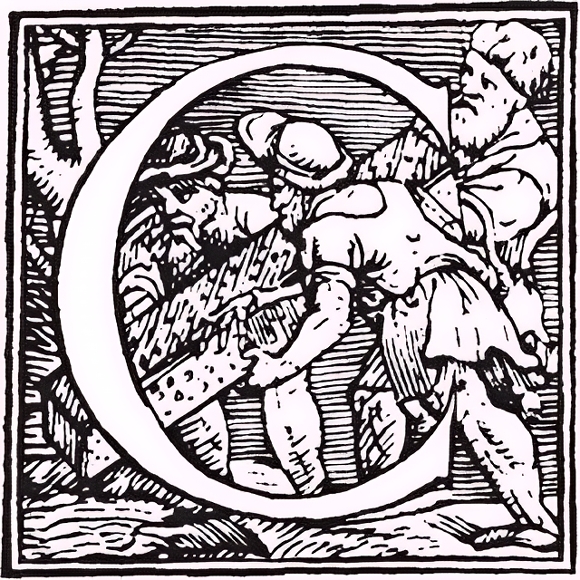
Chapter 39 of the Fabrica is extensive and lists in detail how to dissect and clean the bones. One technique is shown in a historiated initial wood block. These were placed at the beginning of chapters. In this case it is the letter “C” of the 1543 Fabrica. The illustration shows three individuals placing the dissected body in a river in a wooden perforated box so that the bones slowly macerated to make it easy to clean all organic matter later.
The next historiated initial is the letter “slanted O” of the 1543 Fabrica. In this image you can see two individuals bringing a head down the gallows while a child holds a basket for the head. This was a preferred technique to study the head without the putrefaction of the rest of the body. The 1555 second edition initial is different, but with the same motif.
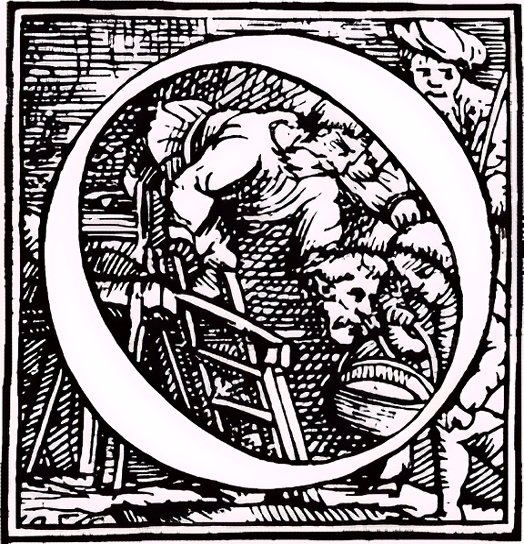
1543 edition historiated wood block
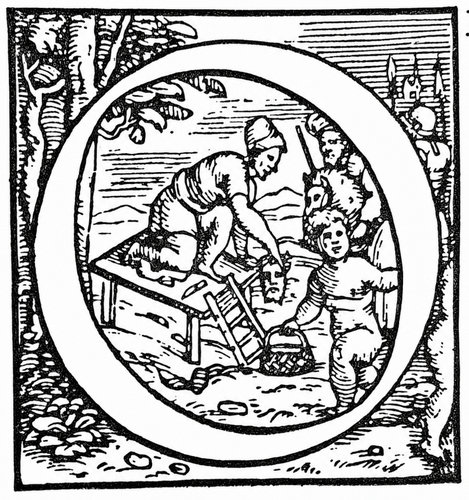
1555 edition historiated wood block
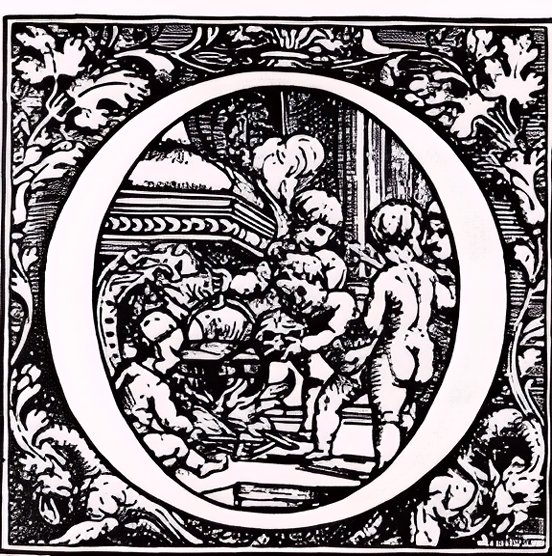
The third initial is the “O” in the 1555 Fabrica. This is an important representation using putti. These were images of chubby children, sometimes with wings, common in medieval and renaissance imagery. In this letter we see 5 putti, one of them holding a bone, another tending to the fire under a cauldron and one placing a skull in the boiling water.
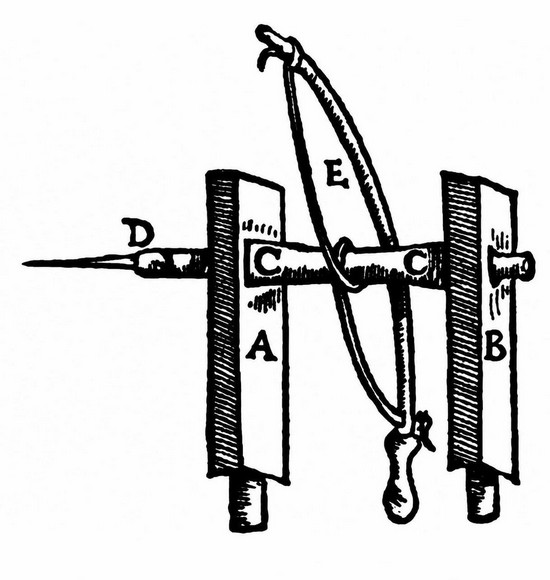
1955 Vesalius bone drill design
In the 1555 second edition of Fabrica, Vesalius added an illustration of a bone drill of his own design, which can be seen here.
In 2023, with the occasion of the Vesalius Triennial Meeting in Antwerp, my friend Dr. Randall K. Wolf and I visited Dr. Francis Van Glabeek, an orthopedic surgeon from Antwerp and an enthusiast of Vesaliana.
We discovered that in 2018 Dr. Van Glabeek had built the bone drill following Vesalius instructions! With my friend Dr. Randall K. Wolf, we were able to operate this drill, that to my understanding is the only one in the world.
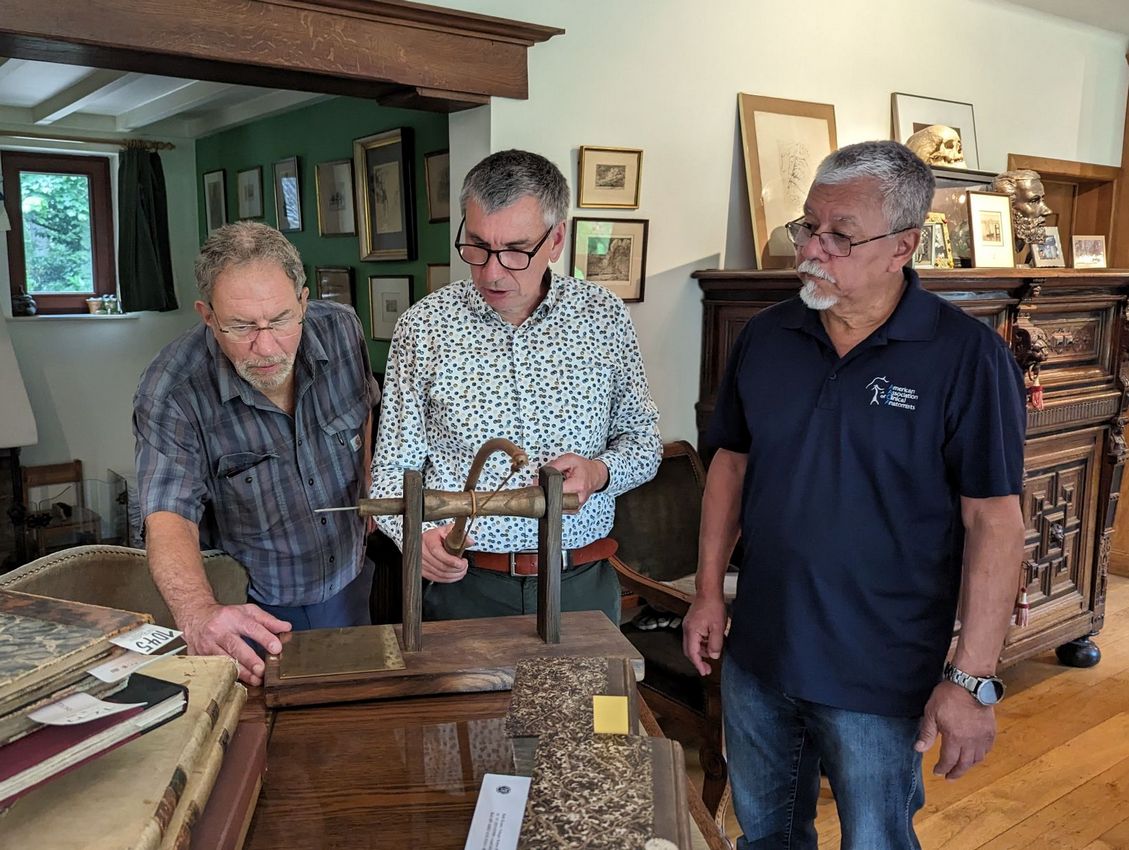
Dr. Francis Van Glabeek demonstrating Vesalius' bone drill
Here is the video for the second part of this article.
Sources:
1. "A Bio-blibliography of Andreas Vesalius" Cushing, H. 1943 Saunders
2. Francis Van Glaabek “Une reconstruction du trepan a arc d’André Vésale” 2020 Carnet d’histoire de la Medicine
3. Daniel H. Garrison, Ph.D.; Malcolm Hast MD. "Andrea Vesalius: The Fabric of the Human Body, An Annotated Translation of the 1543 and 1555 Editions of “De Humani Corporis Fabrica Libri Septem". Volume 1/2"; ISBN: 9783318022469 Basel: Karger, A.G., 2014.
4. Lambert, Samuels "Three Vesalian Essays to Accompany the Iconaes Anatomicae of 1934"; New York: MacMillan, 1952.
Note: Image of the skeleton of Jakob Karrer Von Getweiler. Public domain. Amada44, CC BY-SA 3.0 <https://creativecommons.org/licenses/by-sa/3.0>, via Wikimedia Commons